Guide to Wellington Seasonal Rental Homes & Regulations
April 2, 2026
April 2, 2026
If you are thinking about seasonal renting in Wellington, timing and preparation matter just as much as the property itself. This market is closely tied to the area’s winter equestrian season, which can create strong demand but also brings rules, taxes, and day-to-day logistics you need to understand. Whether you are exploring an investment purchase or deciding if your current home could work as a seasonal rental, this guide will help you see the opportunity more clearly. Let’s dive in.
Seasonal renting in Wellington does not follow the same pattern as every South Florida market. Demand is heavily influenced by the winter equestrian calendar, especially during the Winter Equestrian Festival, which begins December 31, 2025 and runs through March 29, 2026, with event dates from January 7 through March 29, 2026.
That seasonal rhythm matters if you are budgeting income or deciding when to market a property. Based on Palm Beach County visitor data, December, February, and March were the most common visit months, and many visitors stayed for a week or longer. In practical terms, the strongest rental window is usually late fall through early spring, with the biggest push often landing in January through March or early April.
Seasonal renting can be a strong fit if you want to capture peak winter demand and you are comfortable with a more hands-on ownership strategy. It often makes the most sense for owners whose homes are well-positioned for car-based visitors and for those willing to stay on top of permits, taxes, and turnover planning.
It may be a weaker fit if you want a low-maintenance property or steady year-round income with fewer moving parts. Seasonal demand can be attractive, but off-season vacancies, operating costs, and compliance requirements can affect your net results.
Before you advertise a property, it is important to understand Wellington’s local requirements. The Village of Wellington requires a local Business Tax Receipt for rental properties and, for vacation rentals, a separate Vacation Rental Special Use Permit for each unit.
According to the village, this permit is required when a dwelling is advertised or held out for transient occupancy and offered more than three times per calendar year for stays under 30 days or one month. The permit fee is $600 per unit, it is currently not required to be renewed, and it is not transferable.
The same village page states that owners may rent an entire home, or if the home is homesteaded and owner-occupied, an individual sleeping room. For some owners, that room-rental option can be a lower-commitment way to test seasonal demand before changing how the whole property is used.
Wellington’s rules also shape how usable and marketable a rental will be. Overnight occupancy is limited to two people per bedroom, and overnight parking is limited to one vehicle per bedroom up to four vehicles.
All parking must be off-street. Parking on swales, lawns, rights-of-way, or sidewalks is not allowed. Noise, pet, yard-maintenance, and trash standards also apply, which means turnover planning is not just about cleaning. It also affects how you manage the home between stays.
The village states that the permit application requires a copy of the issued Business Tax Receipt and a human-trafficking prevention certificate. If you are buying with seasonal renting in mind, these details are worth reviewing early so you can understand the setup process and timeline.
Local compliance is only one part of the picture. At the county level, anyone offering short-term accommodations must register a Tourist Development Tax account, obtain a Short-Term Rental Local Business Tax Receipt for each TDT account, and renew that business tax receipt annually by September 30.
Palm Beach County also requires monthly returns. Returns are due on the 1st of each month and are considered late after the 20th. The county notes that returns must still be filed even if there was no activity, and failure to report can lead to late fees, penalties, and interest.
The county also says hosts, not platforms, are responsible for collecting and remitting the Tourist Development Tax. Online ads must display both the TDT account number and the short-term-rental Business Tax Receipt number.
For many owners, taxes are one of the biggest surprises. According to the Florida Department of Revenue rate notice, Palm Beach County’s total state and local sales and use tax rate is 6.5% effective January 1, 2026.
Palm Beach County charges an additional 6% Tourist Development Tax on transient rentals of six months or less. The county also states that the TDT applies to mandatory fees such as cleaning and pet fees, so the combined public tax burden is often about 12.5% before management or platform fees.
Florida also treats short-term living accommodations as taxable, and the Florida Department of Revenue guidance says businesses renting short-term accommodations must register. Because Wellington has its own permit framework, owners should make sure they understand how local, county, and state requirements all fit together for a specific property.
Not every home is equally suited for seasonal renting in Wellington. In this market, practical features often matter more than flashy upgrades.
Homes close to Wellington International and the National Polo Center, with easy car access and solid driveway capacity, often line up better with winter visitor needs. Since local rules require off-street parking and event season can increase traffic and parking pressure, a property’s parking setup can directly affect guest experience and compliance.
Because occupancy is tied to bedrooms, homes with enough bedrooms, bathrooms, and clearly defined sleeping space are generally easier to position for seasonal use. A functional layout can matter as much as square footage.
If a home feels cramped or has limited bath access, it may be harder to serve the kinds of longer-stay visitors common in this market. Palm Beach County visitor data shows many travelers stay for multiple nights, and a meaningful share stay a week or longer, which supports the idea that comfort and livability matter.
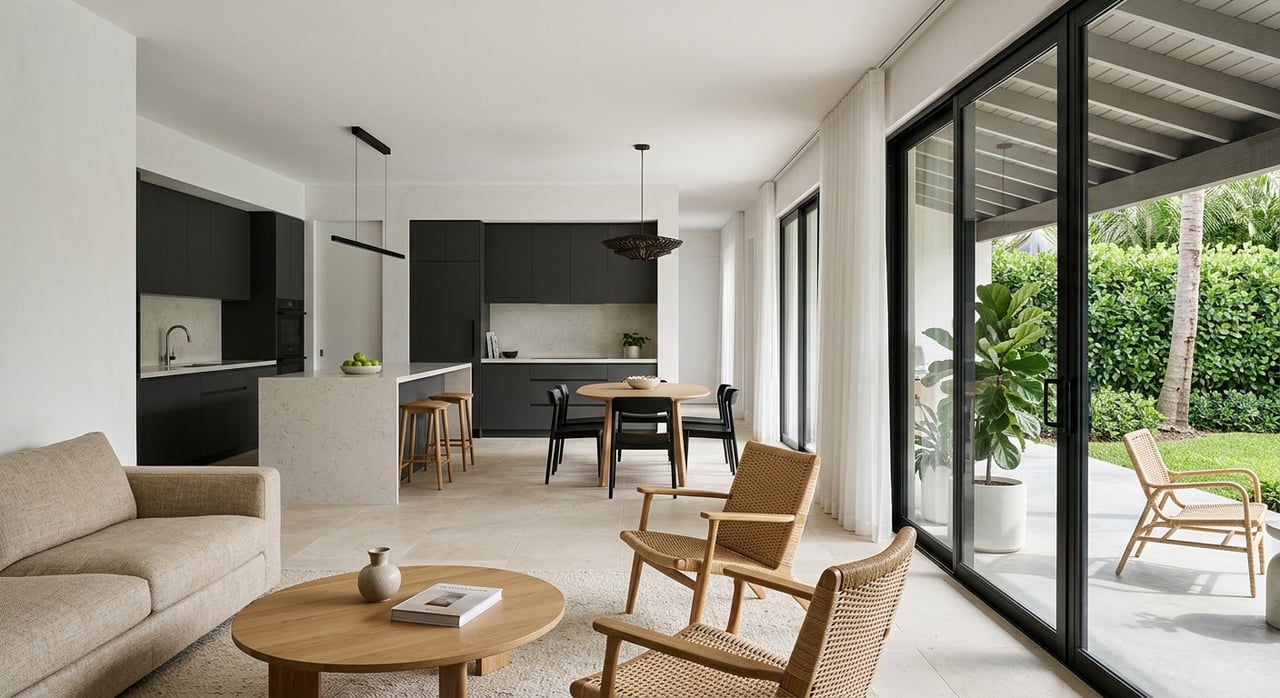
Seasonal renters are typically looking for convenience. A furnished, move-in ready home with a functional kitchen, laundry, parking, outdoor space, and a simple arrival process will usually align better with the way people use Wellington during the winter season.
That is especially true for guests staying several weeks or months rather than making a quick overnight stop. Longer stays often reward homes that feel easy to live in from day one.
Winter demand can make seasonal renting look very appealing, but the high season is only part of the story. You also need to plan for the slower months and the real cost of keeping a property guest-ready.
Common owner expenses may include utilities, cleaning, landscaping, pool service, insurance, and turnover work between stays. If you are comparing seasonal renting to a longer lease, these operating details can make a major difference in your final numbers.
Palm Beach County’s visitor survey suggests this market is built more for extended visits than constant one-night turnover. The survey found that 68% of respondents stayed three or more nights, 33% stayed seven or more nights, and 59% described themselves as regular visitors.
That pattern supports a strategy focused on seasonal or monthly occupancy rather than a hotel-style approach with frequent changeovers. For many owners, fewer turnovers can also help reduce wear, scheduling stress, and service costs.
If you plan to use a property seasonally, do not overlook off-season risk. NOAA notes that hurricane season runs from June 1 through November 30, which makes storm prep and vacancy planning an important part of any Wellington rental strategy.
That does not mean seasonal renting is a poor choice. It simply means your plan should account for both the strong winter upside and the realities of South Florida ownership the rest of the year.
If you are buying in Wellington with seasonal renting in mind, it helps to evaluate each property through both a lifestyle lens and an operating lens. A home may look beautiful online, but the details that support rental performance are often more practical.
Look closely at location relative to equestrian venues, off-street parking, bedroom count, bathroom flow, ease of maintenance, and whether the home can be offered furnished and move-in ready. You should also factor in permit requirements, tax setup, and the amount of coordination you are realistically willing to manage.
For some buyers, a well-located property with a simpler layout and strong functionality may outperform a more expensive home that is harder to operate. That is where local guidance can be especially valuable.
If you are weighing whether to buy, sell, or reposition a Wellington property for seasonal demand, working with a local agent who understands both lifestyle appeal and rental practicality can save you time and help you make a more informed decision. If you want thoughtful guidance tailored to your goals in Palm Beach County, connect with Amy Awerbuch.
October 8, 2026
October 1, 2026
September 24, 2026
September 17, 2026
September 10, 2026
September 3, 2026
August 27, 2026
August 20, 2026
August 13, 2026
Amy Awerbuch has truly experienced the world of Real Estate from many unique perspectives, from marketing home furnishings for a major Midwest Design Center to selling and listing high-end residential properties and owning and managing an Arizona luxury vacation rental in Cave Creek.