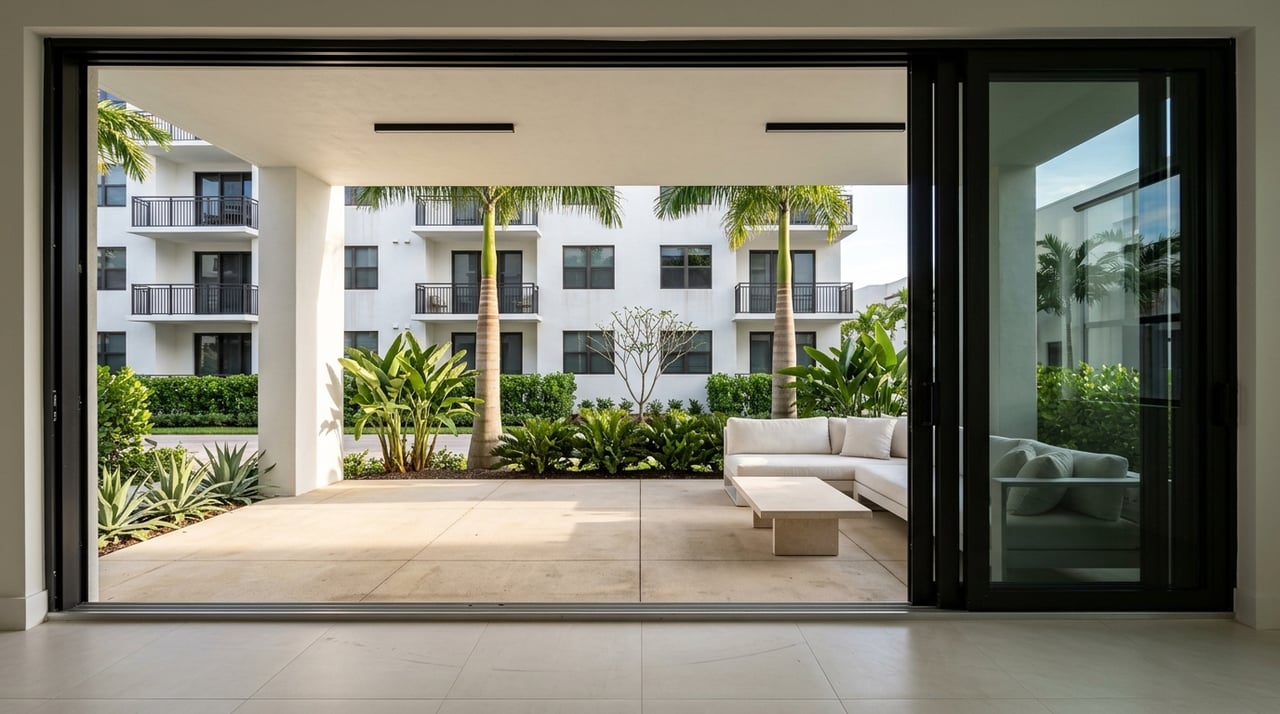
Is Walkable West Palm Beach East of I-95 Right for You?
July 16, 2026
July 16, 2026
If you love the idea of stepping out your door and walking to coffee, dinner, the waterfront, or a train station, West Palm Beach east of I-95 deserves a close look. This part of the city offers a more connected, urban lifestyle than many people expect in South Florida, but it still comes with real-world tradeoffs around parking, guests, and event-day traffic. If you are wondering whether you can comfortably own less car here, this guide will help you understand where that lifestyle works best and what to watch for. Let’s dive in.
East of I-95 in West Palm Beach is best understood as a compact downtown and waterfront district. The city’s Downtown Master Plan covers about 767 acres, and downtown now includes nearly 9,000 residential units and more than 10.4 million square feet of nonresidential space. That concentration is a big reason daily errands and social plans can happen closer to home.
The strongest argument for a car-light routine is simple: many of the main destinations are close together. The Downtown Development Authority says places like Clematis Street, the waterfront, CityPlace, the Brightline station, and the Palm Tran Intermodal Transit Center are often within a 10- to 20-minute walk of one another. If your home base is in the core, you may not need to drive for every coffee run, dinner reservation, or weekend outing.
Brightline adds another layer of convenience for regional trips. Its West Palm Beach station is within walking distance of top downtown destinations, which can make rail travel feel like part of your routine instead of a special event. That matters if you want easier access to other South Florida cities without always relying on your car.
Walking is only part of the picture. Downtown West Palm Beach also has a layered transit network that is unusual for the region.
Tri-Rail’s West Palm Beach Station at 203 South Tamarind Avenue connects with Palm Tran routes, Amtrak, Greyhound, Circuit, and free airport access through Palm Tran Route 2. The Palm Tran Intermodal Transit Center at 150 Clearwater Drive links riders to nine routes in one location and connects with Tri-Rail and other downtown transportation options.
For everyday mobility, biking is also part of the mix. The city says its Bike Master Plan update is intended to expand low-stress bike routes to daily destinations, and the Downtown Development Authority identifies BrightBike as the city’s official bike-sharing and rental system. If you like short rides instead of short drives, that can make a real difference.
The waterfront adds another layer to the lifestyle. The city’s downtown waterfront corridor supports walking, biking, and boating access, and the city docks are free for non-commercial boats and open daily from 5 a.m. to midnight. In practical terms, that means your recreation and scenery can be built into your routine, not reserved for special occasions.
Not every pocket east of I-95 feels the same. Some areas are more urban and walkable, while others offer a quieter residential feel with selective access to downtown and the waterfront.
Downtown West Palm Beach is one of the clearest fits for car-light living. The city’s neighborhood guide describes downtown as a mix of shopping, dining, and culture, while Clematis Street is framed as the city’s heartbeat. In the Downtown Master Plan, the Clematis Waterfront is described as a pedestrian-oriented historic retail corridor with ground-floor retail and mixed uses above the first floor.
If you want the easiest walk to restaurants, entertainment, and transit, this is where the lifestyle is most obvious. You are trading some space and quiet for access and energy. For many buyers, that is the whole point.
CityPlace is another strong option if you want a live-near-everything setup. The master plan describes it as a mixed-use district with retail, multi-family residential, office, hotel, and cultural uses. That blend tends to support a more flexible day-to-day routine where errands, dining, and fitness are close together.
The plan also notes that north of Okeechobee Boulevard, the district includes low-scale residential west of Rosemary Avenue. That is important because it introduces housing forms that feel a little less vertical and a little more residential than other parts of downtown.
If your version of walkability includes water views and open-air exercise, the Flagler Waterfront stands out. The city describes Flagler Drive as a waterfront corridor with palm-lined streets, Intracoastal views, and scenic trails for walking, biking, and boating. The master plan characterizes this area with waterfront green space, high-rise condominium buildings, and office towers.
This pocket can be a strong fit if you want a polished condo lifestyle with immediate waterfront access. It often feels less like a traditional neighborhood grid and more like a scenic urban corridor.
If you want character and a smaller-scale feel, several neighborhoods broaden the east-of-I-95 conversation. El Cid is a local, state, and national historic district known for Mediterranean Revival and Mission-style homes, with proximity to the waterfront. Flamingo Park is also a historic district with tree-lined streets, 1920s architecture, and a mix of single-family homes, apartments, and duplex-style multifamily properties.
These areas may not function exactly like the downtown core, but they can still support a lighter-car routine depending on your block and habits. You may be biking more, driving occasionally, and walking selectively rather than doing everything on foot.
Northwood Village gives you another angle on east-of-I-95 living. The city describes it as a city-supported redevelopment area that has become a vibrant commercial destination, and the visitor guide identifies it as a creative hub. That can appeal if you want a neighborhood feel with local businesses nearby.
The visitor guide also describes Southend, often called SoSo, as a quieter, bike-friendly waterfront pocket. That may suit buyers who want access to the water and a calmer setting while still keeping some destinations close.
North of downtown, NORA is described as a dining, retail, hospitality, and wellness district, and the city later called it a transformative mixed-use destination. As these newer mixed-use pockets grow, they expand what car-light living can look like beyond the traditional downtown core.
One of the biggest misconceptions about east-of-I-95 West Palm Beach is that it offers only high-rise condos. In reality, the area includes a wide range of housing types.
The Downtown Master Plan points to small and mid-scale buildings in the North Railroad Avenue area, lofts and live-work units in former industrial areas, a mid-rise residential neighborhood in the transit-oriented development district, high-rise office and residential buildings in Clearlake, and high-rise condominium buildings along the Flagler Waterfront. In short, this is not a one-product market.
You can find historic homes, low-rise and mid-rise apartments, condo towers, and mixed-use buildings with ground-floor retail. That variety matters because your ideal version of car-light living may look very different from someone else’s. You might want a sleek condo near the waterfront, or you might prefer a smaller residential building with easier bike access and a quieter street.
In many newer buildings east of I-95, the lifestyle is less about private outdoor space and more about shared amenities. Public materials for recent waterfront condo projects show a strong amenity pattern that includes concierge service, valet or parking garage access, coworking areas, lounges, fitness spaces, spa-style features, pools, and social rooms.
Nearby downtown rentals in CityPlace reinforce that same theme. Luxury residences there are described with private terraces, loft-style layouts, and easy access to shopping, dining, entertainment, and the waterfront. The practical takeaway is that many newer buildings trade bigger private yards for convenience, services, and shared lifestyle spaces.
That setup can work very well if you prefer lock-and-leave living. It may be less appealing if your must-have list centers on a large private yard, abundant storage, or a detached-home setup.
The most accurate phrase for this part of West Palm Beach is car-light, not car-free. You can absolutely reduce your driving here, especially in the downtown and waterfront core, but you should still think carefully about how parking and access work in your day-to-day life.
The city says its parking system includes more than 3,600 public spaces, including about 1,500 on-street spaces, plus multiple garages serving downtown destinations, neighborhoods, businesses, and special events. That is helpful, but it does not mean parking is effortless at all times.
If you are considering a city garage permit, understand how it works. The city says monthly permits provide access to shared city garages, but they do not guarantee a space. Parking is first-come, first-served, garages are not intended for long-term storage, and vehicles generally may not remain in a city garage for more than seven consecutive days without exiting unless the city approves an extension in advance.
Rates matter too. Current city materials list a downtown resident garage rate of $85.20 plus tax and a standard garage rate of $106.50 plus tax. The city also says metered parking varies by location, garage parking is $1 for the first two hours with a $20 daily maximum, weekends and holidays are $5 all day except special events, and special-event rates can go as high as $100.
For residential streets, the city’s Residential Parking Permit program is designed to reduce intrusion from non-residential vehicles. Still, it does not guarantee a space directly in front of a home. If guest parking or front-door convenience is high on your priority list, that is worth discussing before you buy or lease.
One more practical point: local mobility service in downtown is evolving. The city said on May 13, 2026, that the existing RideWPB downtown fixed-route and on-demand service would end on May 31, 2026, with a new mobility service expected later that summer. During the transition, limited on-demand service was available through Rose Trolley and Circuit continued operating downtown, and the city said on May 21 that more details were expected ahead of an anticipated August launch.
That does not erase the value of living in a walkable area, but it does show why it helps to verify the current transportation setup before making a move. For countywide travel, airport access, and regional errands, Tri-Rail and Palm Tran remain the main non-driving options.
If your ideal lifestyle includes walking to dinner, hopping on a train, biking by the waterfront, or choosing amenities over yard work, east of I-95 in West Palm Beach can be a strong fit. The best match is usually someone who values convenience, access, and a more urban rhythm.
If you need guaranteed front-door parking, a large private outdoor space, or a fully car-free routine, you may need to be more selective. The good news is that this part of West Palm Beach offers enough variety to match different priorities, from high-rise waterfront living to historic residential pockets and newer mixed-use districts.
The key is choosing the right micro-location and building style for how you actually live. If you want help comparing downtown condos, historic neighborhoods, or lifestyle-driven options across Palm Beach County, Amy Awerbuch can help you narrow the search with local insight and hands-on guidance.
October 8, 2026
October 1, 2026
September 24, 2026
September 17, 2026
September 10, 2026
September 3, 2026
August 27, 2026
August 20, 2026
August 13, 2026
Amy Awerbuch has truly experienced the world of Real Estate from many unique perspectives, from marketing home furnishings for a major Midwest Design Center to selling and listing high-end residential properties and owning and managing an Arizona luxury vacation rental in Cave Creek.