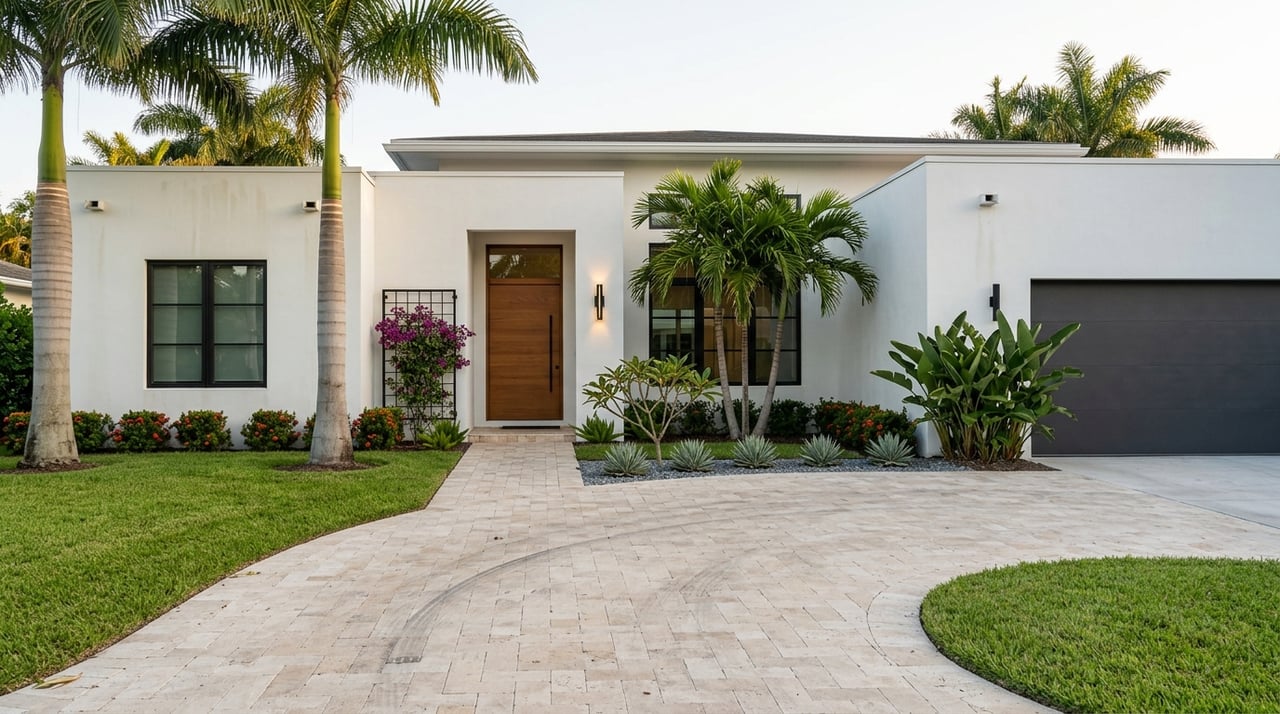
How to Sell a Seasonal Home in Wellington Smoothly
June 25, 2026
June 25, 2026
Wondering what it’s really like to sell a seasonal home in Wellington? If you only use the property part of the year, the process can feel a little more layered than selling a full-time residence. From timing the market around Wellington’s winter equestrian season to managing prep and showings from afar, a smart plan can help you avoid surprises and make stronger decisions. Let’s dive in.
Wellington has a very specific rhythm, and that matters when you sell. The Village of Wellington describes itself as an international equestrian community with more than 57 miles of trails and year-round equestrian programming. Wellington International also hosts a long winter stretch of activity, including the Winter Equestrian Festival from January through March and the Adequan Global Dressage Festival during that same period.
That winter season creates a concentrated window of buyer traffic, especially for homes that appeal to equestrian and seasonal buyers. From November through April, more people are in town, more properties are being watched, and listing exposure can benefit from that increased attention. If your home fits the lifestyle many winter visitors are already seeking, timing can work in your favor.
Late spring and summer can still be viable, but the pace is often different. During those months, you may need to rely more heavily on polished digital marketing, strong listing media, and a home that shows beautifully online before buyers ever visit in person. That is especially important for seasonal properties, where many buyers may begin their search remotely.
Current market snapshots suggest sellers should go in with realistic expectations. Realtor.com’s May 2026 market page shows a median listing price of $871,000, a median 74 days on market, and a buyer’s-market label. Redfin’s May 2026 page reports a median sale price of $689,487, homes going pending in about 65 days, and average homes selling about 4% below list price.
In practical terms, that means you should expect buyers to compare options carefully. Pricing too aggressively can make it harder to gain traction, especially if your home has been vacant or needs a little refreshing. In this kind of environment, presentation and pricing usually matter just as much as timing.
A home that sits vacant for part of the year often needs more intentional prep. Even if it looks fine at first glance, buyers can quickly notice dust, deferred maintenance, faded paint, or outdoor areas that do not match the lifestyle the listing promises. That is why preparation should start well before photos are scheduled.
A helpful approach is to move in a clear sequence:
This process is not just about appearances. It helps your home feel cared for, current, and move-in ready, which can matter even more when buyers are comparing multiple listings in Wellington.
For seasonal homes, strong presentation is core listing work. According to the National Association of Realtors’ 2025 Profile of Home Staging, 83% of buyers’ agents said staging made it easier for buyers to visualize a future home. The same report found that 29% of sellers’ agents said staging increased the dollar value offered by 1% to 10%, while 49% said it reduced time on market.
The report also found that sellers most often need to declutter, clean the entire home, and improve curb appeal. For Wellington sellers, that can be especially important because many buyers first encounter a property through photos, video, and virtual tours. If the home is empty, stale, or inconsistent from room to room, the listing may not generate the same level of interest.
In a market tied to lifestyle and visual appeal, your listing media should do real work. Buyers’ agents in that same NAR report rated photos, videos, and virtual tours as highly important. That means your home needs to look compelling both online and in person, not just one or the other.
If you are not in Wellington full-time, expect the sale to require local support and regular coordination. Once your home is on the market, you may need help with cleaning, landscaping, repairs, access for showings, and keeping outdoor spaces looking consistent with the listing photos. A remote sale can absolutely work, but it usually works best when the details are handled proactively.
Fast showing access is also important. Buyers who are in town for a limited time may want to see homes quickly, and delays can cost you momentum. Seasonal sellers are often balancing distance, schedules, and vendor timing, so it helps to have a clear plan for who is checking the property and responding when something comes up.
Because a seasonal property may sit empty for stretches, vendor management becomes part of the selling strategy. You may need cleaners, handymen, landscapers, pool service, or other property support during the listing period. The goal is simple: the home should stay consistent, maintained, and ready to show.
The Federal Trade Commission advises homeowners to ask contractors for references, licenses, and insurance, get three written estimates, and avoid paying by cash or wire transfer. It also warns that home-repair scams can intensify after storms or other natural disasters. In Florida, that is especially relevant during hurricane season, when demand for service providers can spike.
In South Florida, weather is not just background information. NOAA states that the Atlantic hurricane season runs from June 1 through November 30. If your home is listed in summer or early fall, weather can affect maintenance schedules, vendor availability, and showing conditions.
That does not mean you cannot sell during those months. It does mean you should expect a more weather-sensitive process, especially if you are managing the property remotely. Storm prep, exterior upkeep, and contractor timing may need extra attention.
One of the most important parts of selling a seasonal home is reviewing your records before listing. If you have been away from the property for long periods, now is the time to gather insurance paperwork, repair history, and any notices connected to the home. It is much easier to sort through these items early than during contract negotiations.
Florida’s flood-disclosure statute requires sellers of residential real property to provide a flood disclosure at or before contract execution. That disclosure includes whether the seller has filed flood claims or received federal flood assistance. If your property has any flood-related history, you will want to identify that well in advance.
Florida disclosure guidance also states that sellers must disclose known facts that materially affect value and are not readily observable, even in as-is sales. Pending code-enforcement matters must also be disclosed in writing with supporting records. For seasonal owners, this is a good reason to review old files carefully before the listing goes live.
Tax issues can also catch seasonal sellers off guard if they have not reviewed them recently. Palm Beach County’s Property Appraiser states that the homestead exemption applies to a permanent residence. It also notes that ownership changes can trigger reassessment at just value.
If your Wellington property is not your permanent residence, or if your mailing information needs updating, it is wise to confirm those details early. The Property Appraiser also notes that non-homestead properties are assessed differently from homesteaded properties. Verifying your exemption status and expected tax treatment can help you avoid administrative surprises during or after the sale.
Selling a seasonal home in Wellington is often about reducing friction. The smoother your prep, pricing, access, and paperwork are, the easier it is to respond when the right buyer appears. In a buyer-friendly market, that readiness can make a meaningful difference.
A few steps tend to matter most:
If you are planning to sell a seasonal home in Wellington, a thoughtful strategy can help you protect value and move through the process with more confidence. For hands-on guidance, design-forward presentation, and local market insight, connect with Amy Awerbuch.
October 8, 2026
October 1, 2026

September 24, 2026
September 17, 2026
September 10, 2026
September 3, 2026
August 27, 2026
August 20, 2026
August 13, 2026
Amy Awerbuch has truly experienced the world of Real Estate from many unique perspectives, from marketing home furnishings for a major Midwest Design Center to selling and listing high-end residential properties and owning and managing an Arizona luxury vacation rental in Cave Creek.