Delray Beach Home Staging Strategies That Sell
January 1, 2026
January 1, 2026
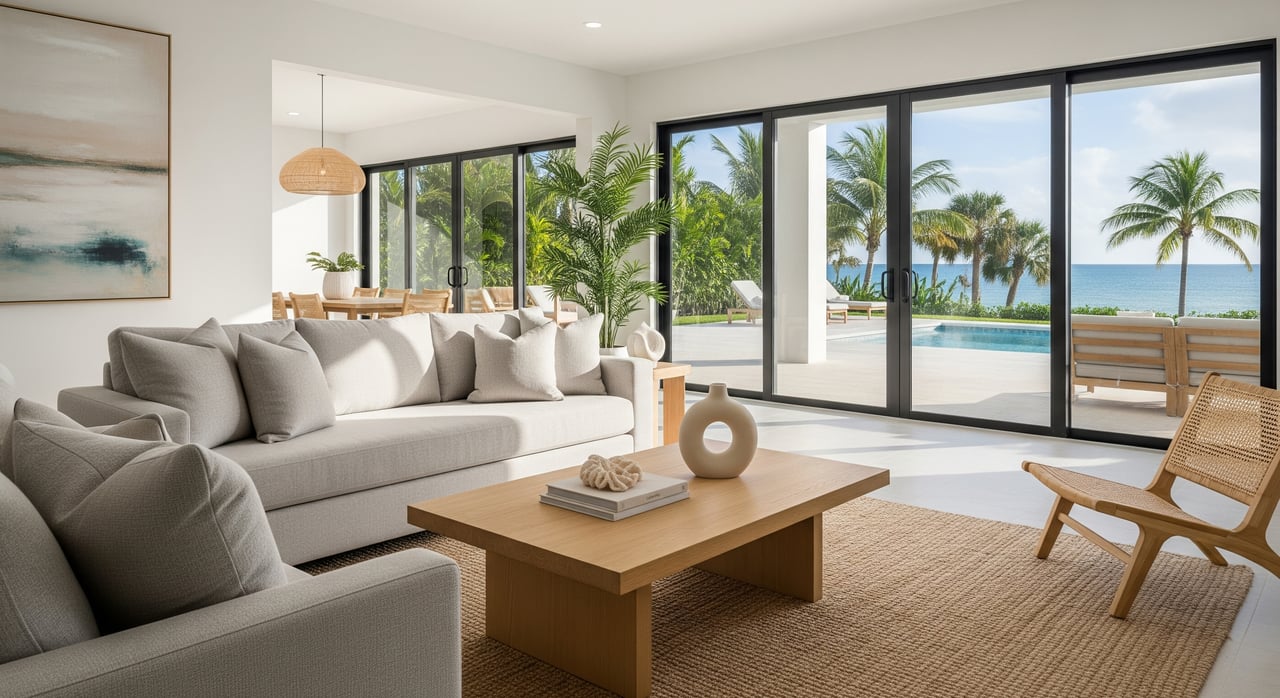
Are you getting ready to list in Delray Beach and want your home to stand out from the crowd? You are not alone. Buyers here expect light, fresh, move-in ready spaces that show off the coastal lifestyle. With a clear plan and a few smart design choices, you can turn your property into a listing that photographs beautifully, draws more showings, and helps buyers picture themselves living there. Here is how to stage for this market and manage the timeline with confidence. Let’s dive in.
Delray Beach sits in a competitive Palm Beach County market with a wide mix of buyers. Seasonal and second-home shoppers come during late fall through early spring. Local move-up and downsizing buyers are active year-round. Relocating buyers look for a turnkey feel and clear lifestyle cues. Staging helps you speak to each audience through presentation.
Industry surveys report that staging improves buyer engagement, helps listings perform better online, and often leads to faster sales. Staging shapes perception and marketing impact. Appraisers still base value on comparable sales and objective features, so use staging to elevate the experience while pricing accurately.
Delray Beach buyers respond to relaxed, airy, and lifestyle-forward design that fits the home’s location and style. Use these local cues to guide your choices.
You can stage in a week with tight coordination, or over two to three weeks for a more relaxed pace. Here is a practical sequence tailored to Delray Beach listings.
Walk the property, review existing furnishings, and define the target buyer. Decide on scope: styling-only, partial, or full staging. Expect 30 to 90 minutes, often within the same week as your request.
Create a room-by-room prep list for decluttering, packing personal items, touch-ups, and curb appeal. This step sets your timeline and assigns vendors. Plan for 3 to 14 days depending on scope.
Address quick wins first. Patch drywall, refresh neutral paint, update dated hardware or light fixtures, and fix any minor safety items. For coastal homes, treat any signs of humidity wear. Timing can range from 1 to 10 days based on contractor availability.
Schedule professional interior cleaning, windows, and pressure washing. Tidy patio and pool areas. Refresh mulch, prune, and shape landscape beds to frame sightlines, especially to water views. Allow 1 to 3 days.
Bring in furniture, art, rugs, lighting, and accessories. Include outdoor seating and dining to showcase indoor-outdoor living. A condo can often be staged in a day. A typical single-family install takes 1 to 3 days.
Shoot photos right after install. Consider twilight images for properties with pools or water views. Add floor plans or a virtual tour if it helps buyers understand flow. Schedule within 1 to 3 days of install.
Keep staged areas intact for showings and set clear instructions for agents. For longer listings, schedule light re-touch visits every 1 to 3 months to maintain freshness.
Use this quick guide to style each space with purpose.
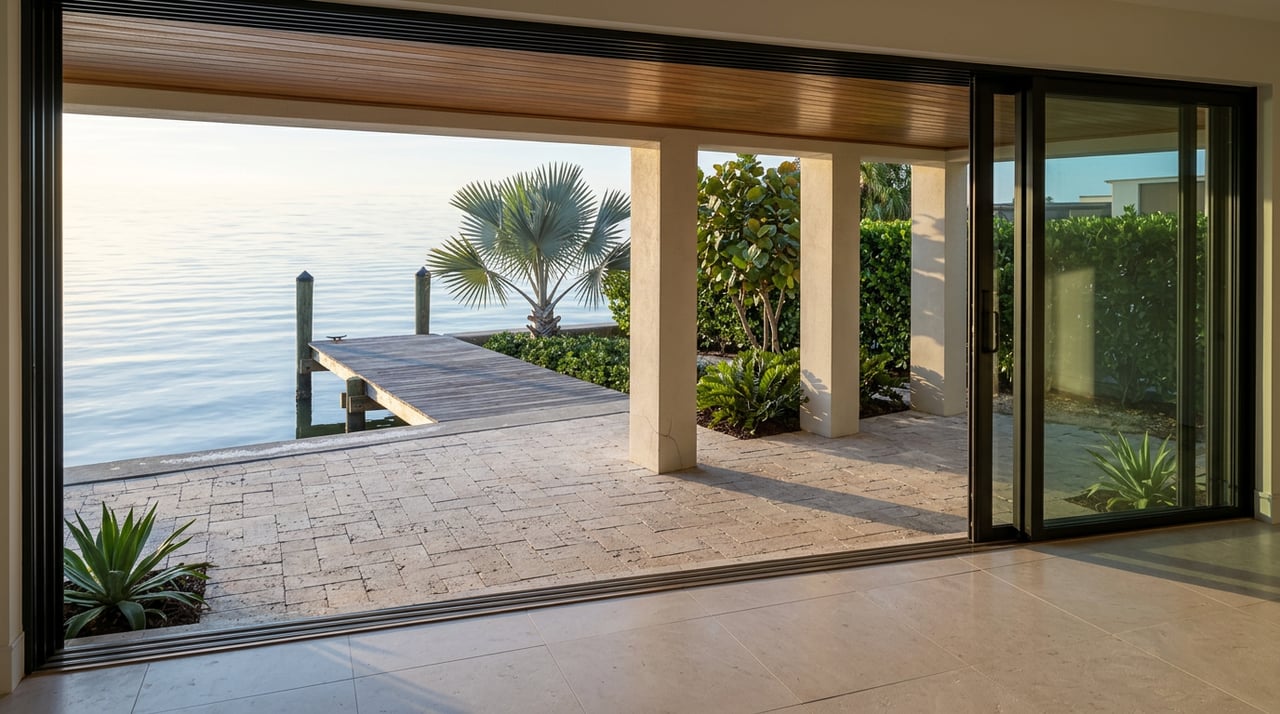
For waterfront homes, anchor seating to the view and keep window treatments minimal. Stage the dock, pool, and patio to show how the property lives outdoors. If applicable, coordinate drone photography with a licensed pilot for context.
For condos, verify building access rules, elevator reservations, and vendor badges early. Choose smaller-scale furniture that makes rooms feel larger. Define distinct zones so buyers can see where work, dining, and lounging happen.
High season runs from late fall through early spring, which brings more buyers and more competition. Book your stager, contractors, and photographer several weeks ahead of your target list date.
During hurricane season from June through November, use secure, removable outdoor pieces and keep installation dates flexible. Confirm vendor schedules and contingency plans. Store packed personal items in a safe, dry location.
Strong coordination keeps your timeline on track. Centralize contacts, dates, insurance, and building rules in one shareable schedule.
Expect a few key components in your budget. Common items include the consultation, furniture rental by room count and design level, delivery and pickup, and styling accessories. Additional vendor costs may include paint, repairs, deep cleaning, and landscaping. Longer listings may need a light refresh to maintain polish.
Staging typically improves marketing performance and buyer engagement. Results depend on accurate pricing, the quality and relevance of the design, and overall market conditions. In Delray Beach, highlighting views, outdoor living, and a calm, coastal feel is often especially effective for higher-priced properties.
If you share project examples, keep them consistent and clear.
Keep the home at a comfortable temperature, turn on lights, and open blinds for natural light. Store daily items in baskets between showings. Leave a quick note with any special instructions, such as pool alarms or smart-home controls. After each appointment, reset pillows, fold throws, and wipe counters for a consistent, fresh look.
A focused, design-forward plan can help your Delray Beach listing shine in photos and in person. If you want help defining the right scope, coordinating vendors, and managing the timeline, reach out to Amy for personalized guidance. For hands-on staging direction and premium listing presentation, connect with Amy Awerbuch.
October 8, 2026
October 1, 2026
September 24, 2026
September 17, 2026
September 10, 2026
September 3, 2026
August 27, 2026
August 20, 2026
August 13, 2026
Amy Awerbuch has truly experienced the world of Real Estate from many unique perspectives, from marketing home furnishings for a major Midwest Design Center to selling and listing high-end residential properties and owning and managing an Arizona luxury vacation rental in Cave Creek.