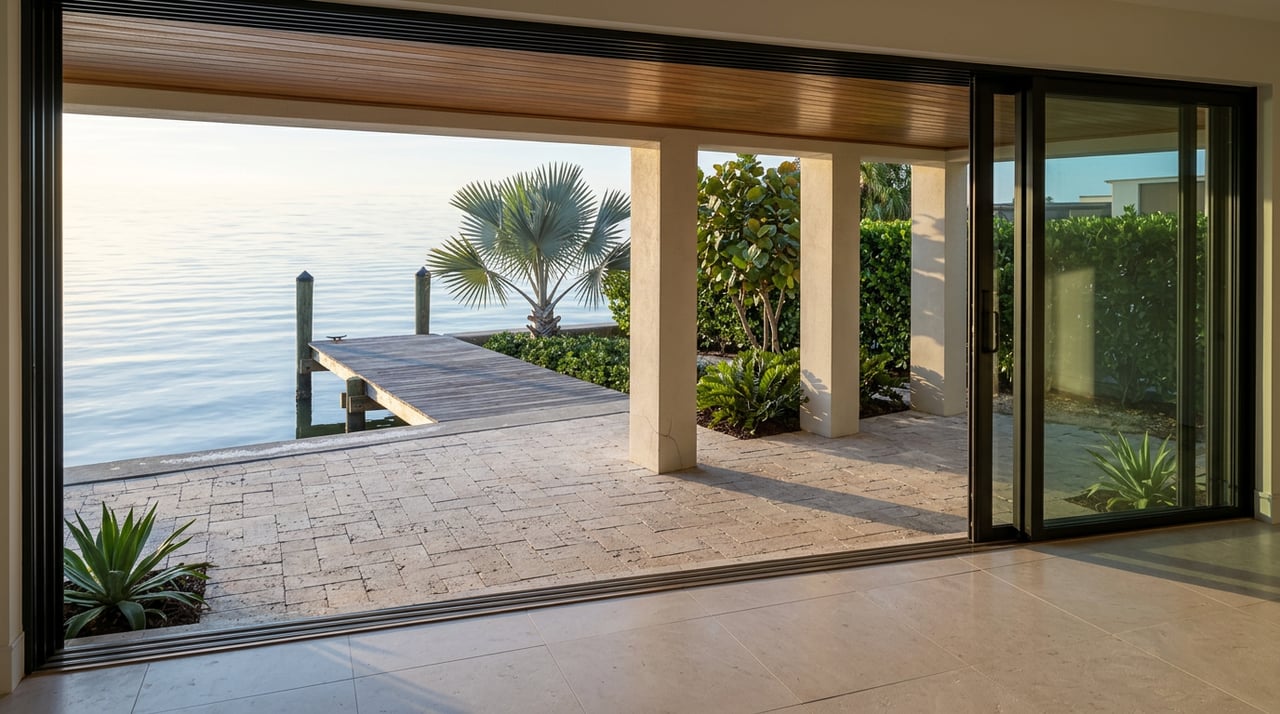
Picture stepping from your backyard to your boat and being on the Intracoastal in minutes. If that is your goal in Delray Beach, choosing the right boating community matters as much as choosing the right home. You want easy dockage, clean water, and clear routes to fuel and the ocean. In this guide, you will learn how local waterways work, which neighborhood types fit different boats and lifestyles, what to check at a showing, and where to verify depths, bridges, and permits. Let’s dive in.
How Delray Beach boating works
Delray Beach sits on the Atlantic Intracoastal Waterway. The ICW is your protected north–south route, with small canals branching into residential areas. Many homes have seawalls and private docks, while condo and marina communities offer managed slips. Your daily run time depends on how fast you reach the ICW and the nearest inlet.
Rules and conditions matter. The area enjoys year-round boating, but hurricane season shapes storage and insurance decisions. For safe and legal boating, review the statewide guidelines from the Florida Fish and Wildlife Conservation Commission. For permits, seawall rules, and municipal marina details, start with the City of Delray Beach and county resources at Palm Beach County Environmental Resources Management.
Depths, tides, and clearances change. Use NOAA tide predictions to plan around high and low water, and confirm channel depths and bridge heights on NOAA Electronic Navigational Charts. Before a trip or a purchase, check the U.S. Coast Guard Local Notice to Mariners for temporary bridge work or shoaling updates.
Choose your water access style
Not every waterfront in Delray Beach connects the same way. Here is how to think about the main community types and what they offer.
ICW and beachside homes
If you want the quickest route to open water, homes near the ICW east of Federal Highway and A1A are your target.
- Dock and boat fit: Private docks with pilings or lifts. Practical for a range of powerboats and many motor yachts. Sailboat fit depends on bridge clearance and water depth on your route.
- Ownership and rules: Typically fee simple with dock rights. City or HOA rules may limit dock size, lifts, lighting, and boat types.
- Depth and clearance: Short runs to the ICW reduce canal constraints, but confirm any nearby bridge schedules.
- Time to services: Fast access to fuel and pump-out at nearby municipal or private marinas. Confirm hours before you buy.
- Lifestyle trade-offs: Premium pricing reflects ICW convenience and beach access. Expect stricter permitting and insurance requirements.
Mid-channel canal neighborhoods
These are single-family streets along small to medium canals that feed the ICW.
- Dock and boat fit: Private docks with lifts common. Great for small to medium powerboats. Larger vessels need careful review of turning room and canal width.
- Ownership and rules: Owner-maintained docks and seawalls. Some HOAs manage shared issues like dredging or seawall standards.
- Depth and clearance: Canal depth varies by age and dredging history. Check for shoaling and neighbor pilings that shrink usable slip length.
- Time to services: A few minutes longer to the ICW, often with calmer, more protected water.
- Lifestyle trade-offs: Neighborhood feel and privacy. You trade a little run time for quieter canals.
Inland lakes and non-tidal waterways
These waterfronts offer a water view and private docks without ICW access.
- Dock and boat fit: Often small boats, kayaks, or electric-motor craft. Confirm community rules on motor size.
- Ownership and rules: Docks may be permitted differently than tidal docks. Check HOA and city permitting.
- Depth and clearance: Lake depth is not tied to tides but may fluctuate seasonally.
- Time to services: No ocean runs. You gain lower costs and simpler maintenance.
- Lifestyle trade-offs: Waterfront living for less, ideal if ocean cruising is not a goal.
Condo and marina communities
If you prefer low-maintenance boating, condo and marina-based developments are appealing.
- Dock and boat fit: Assigned slips, rentable slips, or on-site marinas with services like fuel and pump-out.
- Ownership and rules: Review slip ownership vs. rental agreements, waitlists, and guest policies.
- Depth and clearance: Ask management about approach depth and dredging. Confirm maximum length and beam.
- Time to services: The marina is the service. Check shorepower, water, Wi‑Fi, and security.
- Lifestyle trade-offs: Hands-off maintenance and social amenities with HOA fees and rules.
Yacht clubs and gated enclaves
For social boating and member events, a yacht club or private enclave can be a great fit.
- Dock and boat fit: Member-only docks or reciprocal agreements. Availability varies by club.
- Ownership and rules: Membership fees apply. Review guest policies and seasonal storage rules.
- Depth and clearance: Clubs maintain approach channels, but you should still verify charts and tides.
- Time to services: Clubs may offer fuel or partner services. Ask about hurricane plans and haul-out options.
- Lifestyle trade-offs: Strong community and events. Dock access depends on membership and capacity.
Bridge and clearance basics
Delray’s ICW corridor includes a mix of fixed and movable bridges. Many bascule bridges open on schedules, which affects timing for taller vessels. Tides are modest here, but a foot or two can matter for sailboat masts and flybridges.
Marinas and services near Delray
You will find a mix of public and private options in and around Delray Beach. The right fit depends on your boat size, service needs, and how you like to manage maintenance.
- Municipal marinas: Public slips, fuel, and pump-out may be available. Start with the City of Delray Beach for municipal marina information and contact details.
- Private marinas and yacht clubs: Full-service dockage, member programs, and social events. Policies and availability vary.
- Boatyards and repair: Look for haul-out capacity that matches your boat. Ask about travelift tonnage and on-site services.
- Dry-stack storage: Efficient for smaller boats and seasonal use. Confirm hours and hurricane procedures.
- How to compare options: Use tools like Dockwa for reservations and amenity lists, and check user reports on ActiveCaptain. Always call marinas to confirm slip dimensions, approach depth, and waitlists.
Showing-day dock checklist
Bring this quick list when touring a waterfront property.
- Dock rights and paperwork: Confirm deeded riparian rights or any licenses, plus recorded easements and exact slip dimensions.
- Permits and code: Request copies of dock, lift, and seawall permits. Ask about outstanding violations or open permits with the city.
- Seawall condition: Note material type and age. Ask for recent inspection or repair records.
- Water depth: Verify depth at mean low water and ask about shoaling. Confirm dredging history with the seller or HOA.
- Turning room: Stand on the dock and visualize turns. Check neighbor pilings and canal width.
- Rules and usage: Ask about live-aboard restrictions, guest docking, night lighting, and noise rules.
- Insurance and flood: Confirm FEMA flood zone and expected insurance requirements. Ask your insurer how a dock or lift affects premiums.
- Hurricane readiness: Ask for storm plans, tie-down gear, and any marina or club haul-out agreements.
How to verify before you buy
You do not need to guess. Here is a simple process to confirm the facts.
- Pull official charts and tides. Review your route on NOAA Electronic Navigational Charts and plan around NOAA tide predictions.
- Check current notices. Look up bridge work or channel changes in the U.S. Coast Guard Local Notice to Mariners.
- Confirm rules. Read statewide boating regulations from the Florida Fish and Wildlife Conservation Commission.
- Call the city and county. Ask the City of Delray Beach about dock and seawall permits and check county shoreline guidance through Palm Beach County ERM.
- Talk to marinas. Use Dockwa and ActiveCaptain to shortlist options, then call to verify slip sizes, approach depth, fuel, and pump-out.
- Hire local pros. A marine surveyor or captain can test the route, measure clearances, and evaluate the dock and seawall.
Next steps: find your fit on the water
The right Delray Beach boating community depends on how you boat, how hands-on you want to be, and how quickly you want to reach the ICW or ocean. Whether you want a private dock on a quiet canal, an ICW-front estate with fast access, or a condo with a managed marina and social scene, you have strong options. If you want help comparing routes, bridge timing, and dock rules alongside great homes, reach out to Amy Awerbuch. You will get personalized guidance that puts your boating life first.
FAQs
What is the fastest water access in Delray Beach for ocean runs?
- ICW-front or short-canal homes east of Federal Highway typically offer the quickest access, but always verify bridge openings and local tides for your exact route.
How do I know if my boat will fit a canal or slip in Delray Beach?
- Measure your length and beam, then confirm canal width, turning room, and depth at mean low water. A marine surveyor and local marina managers can validate fit.
Are condo marina slips in Delray Beach usually owned or rented?
- It varies by community. Some slips are deeded, others are leased or waitlisted. Review HOA documents and confirm current availability and policies.
Who approves seawall or dock work in Delray Beach?
- The City of Delray Beach building and engineering teams typically handle permits, and some projects also involve county or environmental approvals.
Do tides and bridge schedules really affect Delray Beach boating?
- Yes. Tidal height can change clearance and draft, and many bascule bridges follow schedules. Check NOAA tide predictions and the USCG Local Notice to Mariners before trips.