Ocean Ridge Home Staging Tips for Waterfront Sellers
February 19, 2026
February 19, 2026
Is your Ocean Ridge waterfront home getting the attention it deserves online and at showings? In a market where views, finish quality, and outdoor living set the tone, the right staging can be the difference between a buyer scrolling past and scheduling a tour. You want a plan that highlights water, feels turnkey, and minimizes maintenance worries. In this guide, you’ll learn how to stage for the Ocean Ridge buyer, what to prioritize inside and out, and how to market your home with visuals that sell. Let’s dive in.
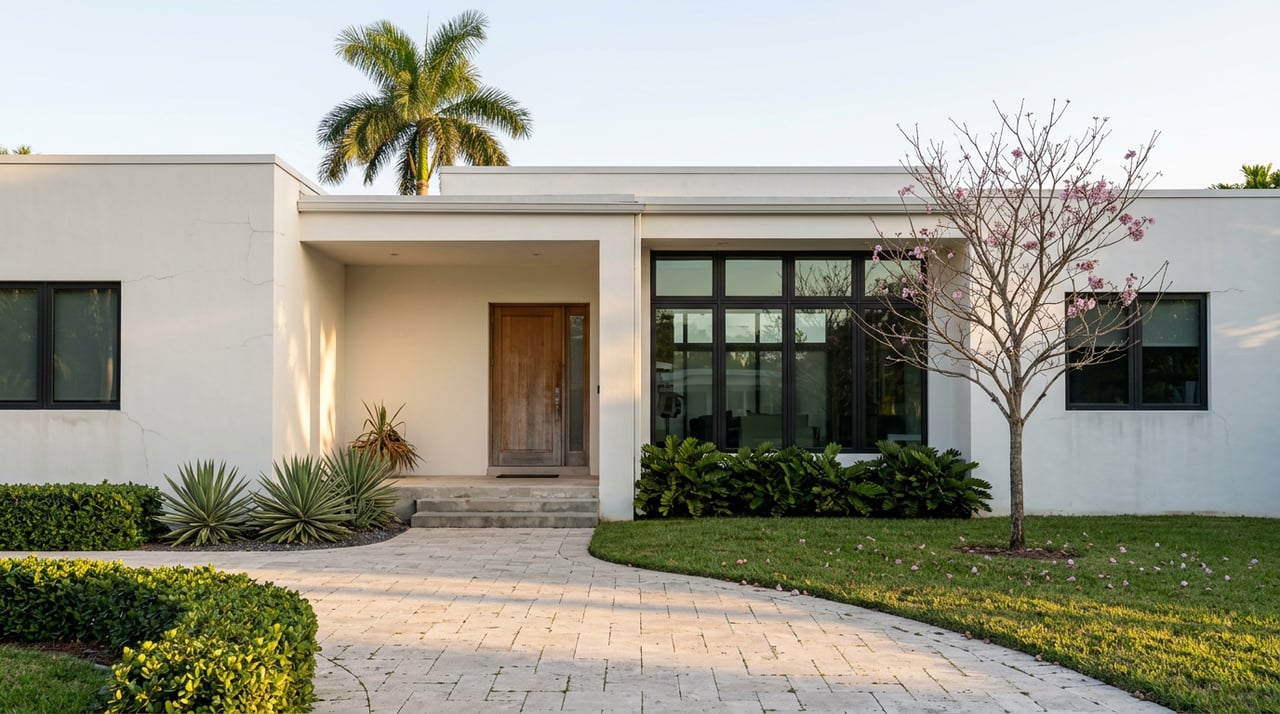
Ocean Ridge sits in a premium slice of Palm Beach County where buyers expect an elevated coastal lifestyle. Zillow reports a typical Ocean Ridge home value around $1.4 million, which means presentation and photography play an outsized role in perceived value and offer strength. Zillow’s Ocean Ridge snapshot reinforces the importance of positioning your home as move-in ready.
Staging gives buyers a clear vision of how they’ll live in your home. According to NAR’s staging research, 81% of buyer’s agents say staging helps clients visualize a property. Many seller’s agents report shorter time on market, and about 20% say staging can increase offers by 1–5% compared with similar unstaged homes. In Ocean Ridge, those percentages matter even more because water, outdoor spaces, and sightlines are core to value.
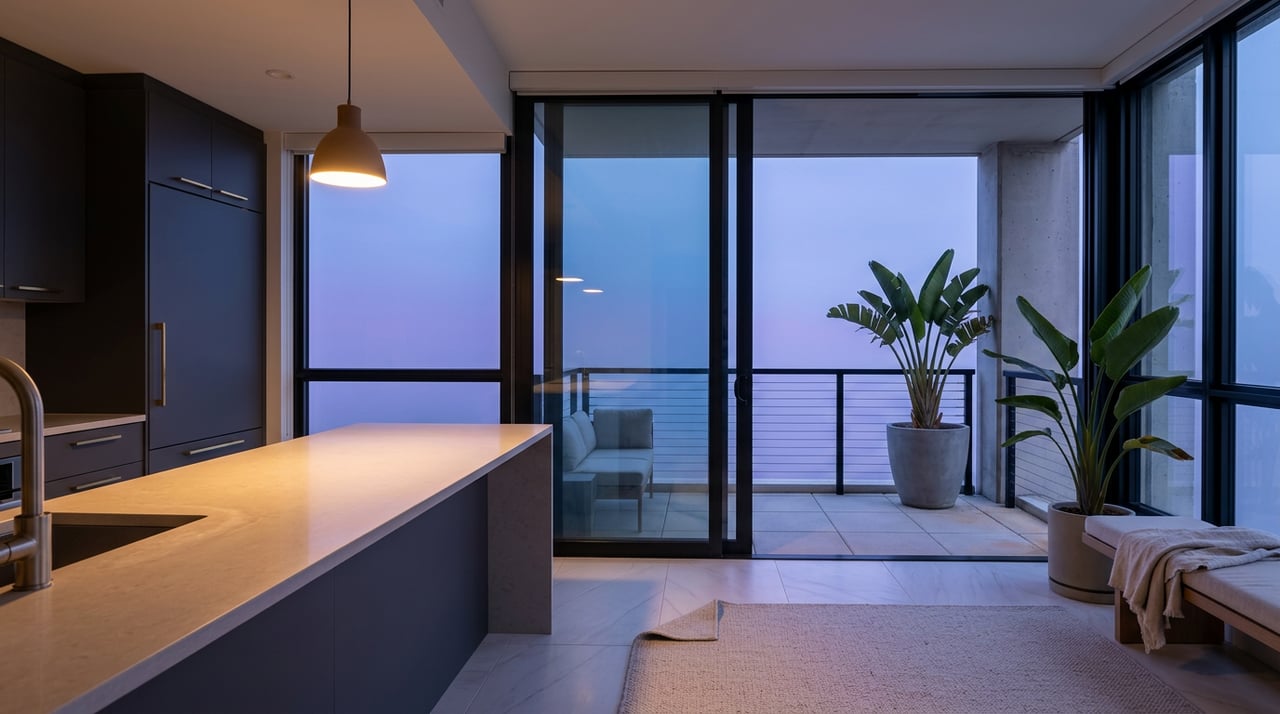
If budget or time is limited, focus on the living room, primary bedroom, and kitchen. These spaces carry the most weight with buyers and in photos. Place main seating to face the water or to create a clear path for the eye from the entry to the view. Keep side tables and accent chairs low profile near windows so you never block sightlines.
Keep walls and large upholstery in soft whites, warm beiges, or light grays. Layer in restrained coastal accents using pillows, throws, and art in sea-glass green, muted navy, or sand. This keeps the look fresh and inviting for a wide buyer pool without going heavy on themed decor. The goal is calm, bright, and view-forward.
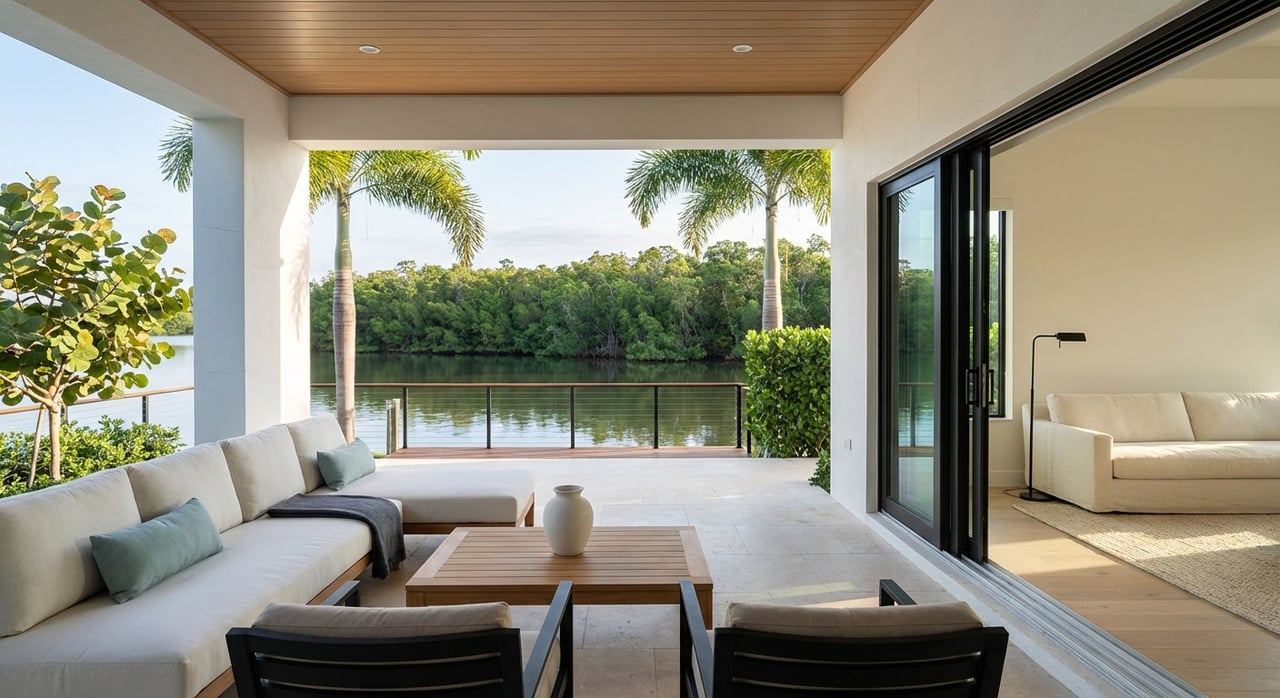
On porches, lanais, and near the water, pick materials designed for coastal conditions. Teak, marine-grade aluminum, and high-quality synthetic wicker perform well. For cushions and slipcovers, use solution-dyed acrylic performance fabrics, such as Sunbrella-style textiles, which resist UV, mildew, and fading. See this primer on performance fabrics for benefits and care.
Prefer marine-grade 316 stainless for exposed metal connections. It resists corrosion better in salt air, which helps furniture and rail details look newer for longer during showings.
Inside, washable or performance textiles are smart in high-traffic spaces, especially if your home will have frequent tours. Removable, light slipcovers maintain the airy coastal vibe and make cleaning easier. The result is a consistent, low-maintenance feel throughout.
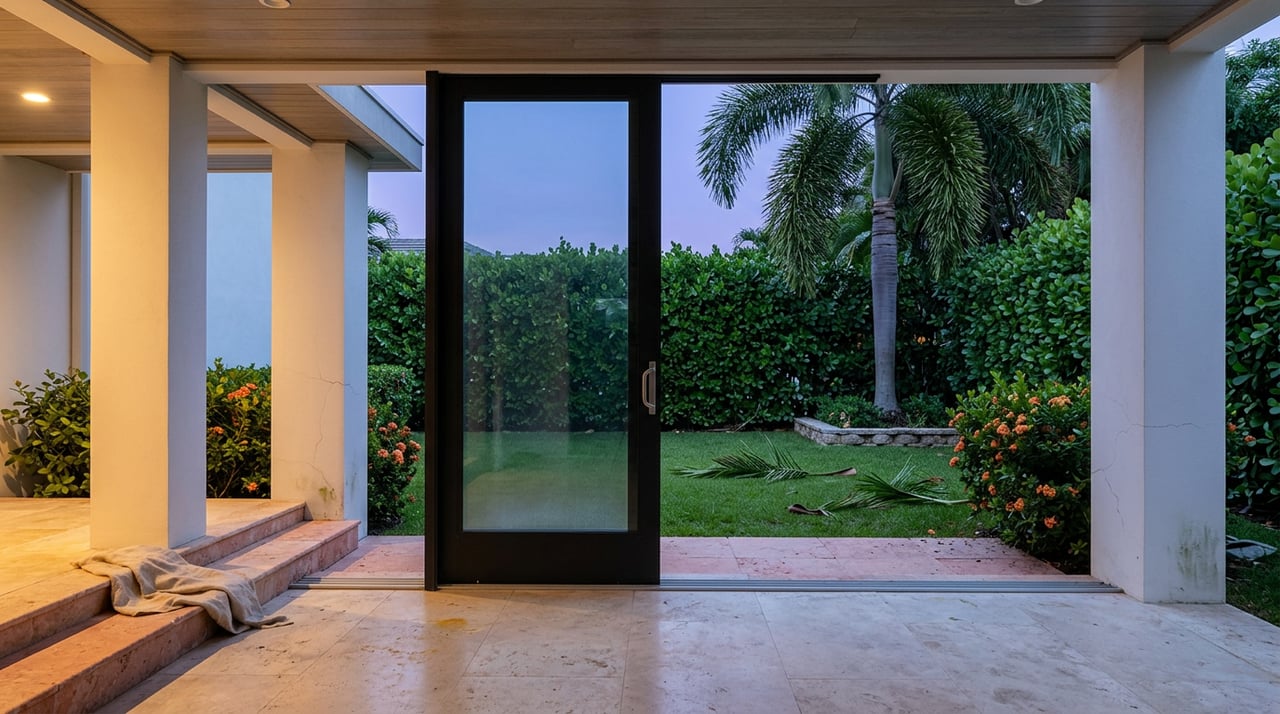
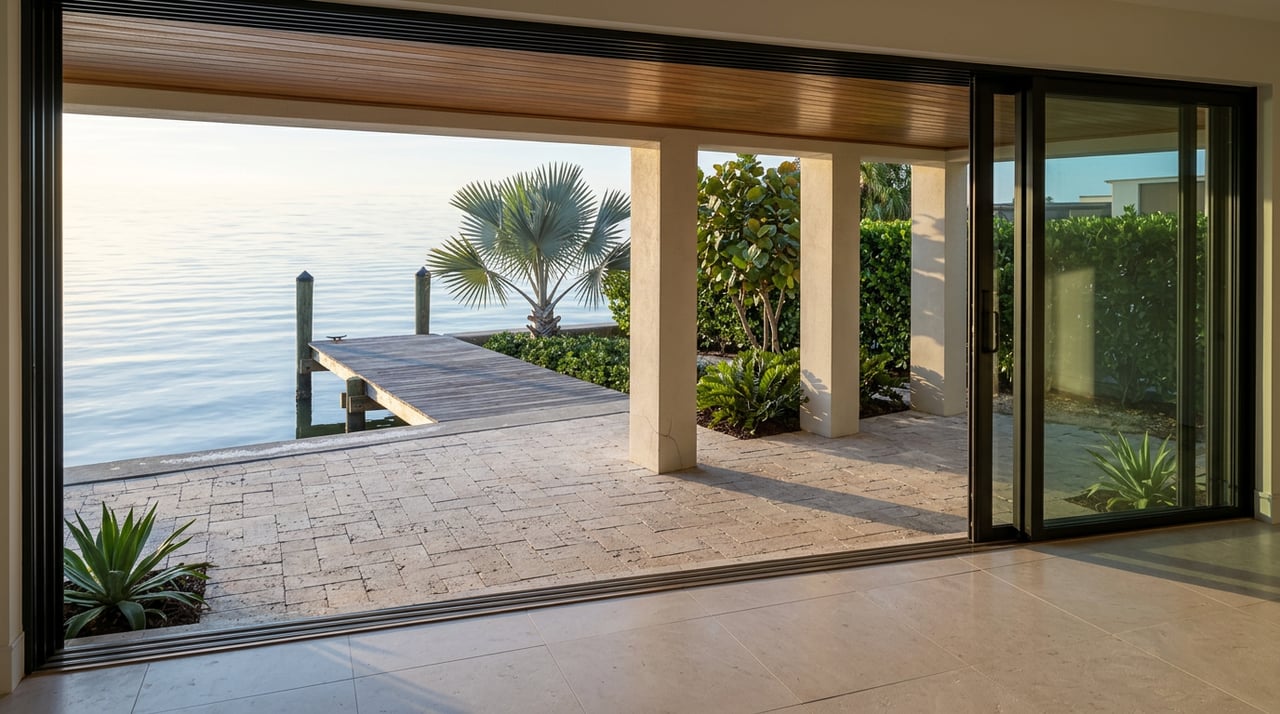
Remove visual barriers at sliding doors and keep floor tones consistent between the main living area and covered outdoor seating. Use complementary rugs inside and out to visually extend the room to the lanai. Stage one clear conversation zone outdoors with weather-rated seating, a simple outdoor rug, and a lantern or compact fire feature. Buyers value well-planned outdoor living, a trend supported by Houzz’s outdoor study.
Present your waterfront assets as their own amenity. Keep the dock clear, ensure decking looks tidy, and take at least one dedicated photo that shows condition and access. Avoid clutter like storage bins or stacked life jackets in listing images.
Declutter, depersonalize, and deep clean. Window glass facing the water should be spotless for photography. Touch up paint in neutral tones, repair loose hardware, recaulk grout, and replace any burnt bulbs. These are the most commonly recommended steps according to NAR’s staging guidance.
Inspect for mold or mildew in baths and around HVAC. Confirm proper ventilation and check roof and shutters so nothing distracts buyers during showings. If any seawall or dock issues exist, fix or disclose them upfront to avoid surprises later.
If you list during storm season, secure or remove loose outdoor furniture when advisories are issued. The Atlantic season runs June 1 to November 30, with a mid-August to mid-October peak, per NOAA. Buyers will appreciate a property that looks prepared and well cared for.
Hire a photographer who understands waterfront light and reflections. Use bracketed exposures or HDR to balance bright views with interior detail, and turn on interior lights to remove dark corners. High-quality images increase online engagement and can shorten days on market, as highlighted in this photography performance overview.
Plan for golden hour or twilight exterior shots to showcase warm interiors against the water. Include at least one strong twilight hero image if your shoreline orientation allows.
Aerial photos are ideal for showing lot shape, dock orientation, and proximity to inlets and marinas. Use a licensed pilot with FAA Part 107 certification and proper insurance for commercial flights. Learn more about the rules here: FAA Part 107 overview.
Virtual staging can be cost-effective for vacant rooms. To stay compliant, clearly disclose digitally altered photos with a visible watermark and note it in listing remarks. Many MLSs require original images to be retained or paired. See example guidance from MLS listing procedures on virtual edits.
Remote and seasonal buyers rely on layout clarity. A 3D tour and a floor plan help them grasp indoor–outdoor flow. Place a waterfront hero image and clear amenity shots of the dock, pool, and seawall early in your photo sequence so buyers see what matters most first.
Staging often boosts buyer engagement and can reduce time on market. NAR’s research reports that many agents see a 1–5% lift in offers for staged homes compared with similar unstaged properties, and a meaningful impact on visualization and days on market. Treat this as a helpful benchmark, not a guarantee.
In South Florida, stager pricing has trended upward, and vendor quotes vary. Florida Realtors offers helpful context on costs and value in their summary on staging returns and pricing trends: Will staging help your home sell for more?
Use this quick list to get show-ready faster:
A strong presentation combines smart design choices with meticulous logistics. From materials that stand up to salt air to drone compliance and virtual staging disclosures, details matter in Ocean Ridge. If you want a hands-on partner to coordinate vendors, elevate visuals, and keep your timeline on track, connect with Amy Awerbuch for guidance tailored to your home and your goals.
October 8, 2026
October 1, 2026
September 24, 2026
September 17, 2026
September 10, 2026
September 3, 2026
August 27, 2026
August 20, 2026
August 13, 2026
Amy Awerbuch has truly experienced the world of Real Estate from many unique perspectives, from marketing home furnishings for a major Midwest Design Center to selling and listing high-end residential properties and owning and managing an Arizona luxury vacation rental in Cave Creek.