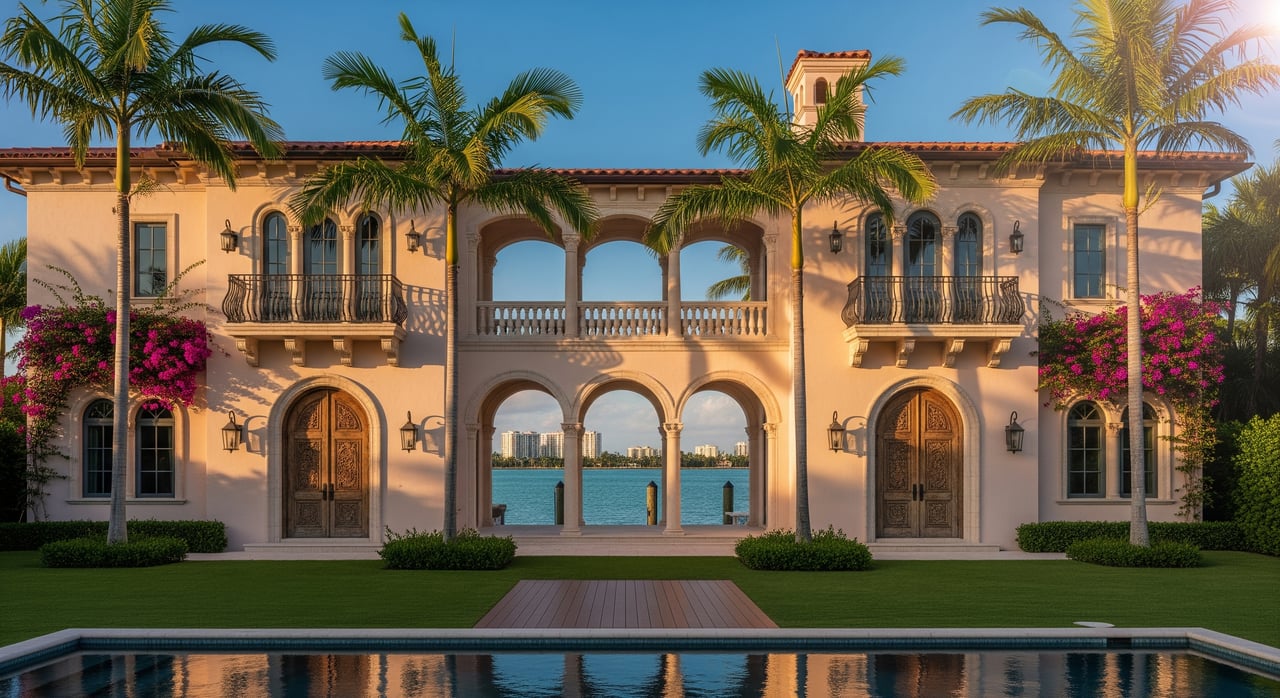
Your Guide to Relocating to West Palm Beach East of I-95
January 15, 2026
January 15, 2026
Dreaming of mornings by the water, walkable nights out, and quick access to the beach? If you are considering a move to West Palm Beach, the neighborhoods east of I-95 offer a coastal lifestyle that blends city energy with laid-back charm. You want clear guidance on where to look, what types of homes you will find, and how living near the coast compares to the suburbs. This guide walks you through neighborhoods, lifestyle perks, housing options, key costs, and a practical checklist so you can decide with confidence. Let’s dive in.
Living east of I-95 puts you close to beaches, marinas, dining, and cultural venues. You can walk to restaurants and events in Downtown West Palm Beach, enjoy the waterfront, and reach the airport or regional rail in minutes. If you value convenience and a vibrant daily routine, this area is a strong fit.
You will find a mix of condos, townhomes, and historic single-family homes, each with different ownership considerations. Many buyers choose east of I-95 for low-maintenance condo living, while others seek the character of early 20th-century homes near the water. The right option depends on how you plan to live and use the property.
Downtown West Palm Beach centers around Clematis Street and Rosemary Square, where you will find restaurants, retail, nightlife, and regular events. Mixed-use condos and apartments keep you close to it all, with Brightline and Tri-Rail access nearby for regional trips. If you want a walkable urban lifestyle, this is one of the most convenient places to land.
Neighborhoods like El Cid, Old Northwood, and parts of Grandview Heights offer early 20th-century architecture on smaller lots. You will see Mediterranean Revival and Craftsman styles with unique details and established streetscapes. These areas appeal to buyers who value character and proximity to downtown and the Intracoastal Waterway.
Along the Intracoastal and oceanfront, mid- and high-rise condos deliver views and amenities like pools, security, and in some cases docks. On the barrier island, including the Town of Palm Beach, you will find luxury estates and exclusive oceanfront buildings, along with separate municipal rules and services. These locations often command premium prices per square foot due to views, access, and prestige.
Just inland from the water yet still east of I-95, you will find low- and mid-rise condos and townhomes. These can be more affordable than oceanfront towers while keeping you close to dining, shopping, and major roads. If you want value paired with convenience, explore these pockets.
Public beach access on Palm Beach island and nearby beach towns makes coastal living easy. The Intracoastal Waterway offers boating, paddleboarding, and scenic cruising, with marinas and boat launches within a short drive. Popular outdoor spots like Peanut Island and regional parks add variety to your weekend plans.
Clematis Street and Rosemary Square feature a broad mix of restaurants, bars, and retail. You can try new spots during the week, then enjoy waterfront dining when you want a slower pace. Oceanfront and Intracoastal neighborhoods offer options too, though many residents head downtown for the widest selection.
Anchors like the Norton Museum of Art and the Kravis Center for the Performing Arts support a full cultural calendar. Galleries, seasonal art fairs, and local performances bring a steady stream of events to explore. If you enjoy museums, theater, and community festivals, you will have plenty to do year-round.
You have multiple ways to get around the metro. Brightline provides higher-speed intercity rail, Tri-Rail serves commuter routes, and Palm Tran connects local corridors. Road access via I-95, US-1, and A1A keeps drives simple, and Palm Beach International Airport is close, which is helpful for frequent flyers.
If you are considering a condo, analyze what the monthly fees cover, whether there are special assessments, and the condition of building systems like roofs and elevators. A strong reserve study and clear budgets are important for long-term costs.
Historic districts offer architectural character close to downtown and the water. These homes may need modernization for electrical, HVAC, roofing, and waterproofing. Many buyers value the charm and location, then plan projects in phases to fit their timeline and budget.
You will also see new luxury condos and spec homes, especially on premium waterfront and barrier island parcels. These properties tend to emphasize modern amenities and turnkey convenience. If you prefer new construction, ask about build quality, coastal resiliency features, and association policies.
Total cost of ownership includes more than your mortgage and property taxes. You will want to factor in HOA or condo fees, wind and flood insurance, utilities, and maintenance or special assessments. Florida’s insurance market has seen volatility, so obtain quotes early in your search and understand named-storm deductibles.
If you plan to homestead your primary residence, review Florida homestead exemption rules and Palm Beach County property tax details to understand how exemptions and caps may affect your annual taxes. For investment or second homes, expect different tax and insurance dynamics.
Check the FEMA Flood Insurance Rate Map for the property’s zone and request an Elevation Certificate when available. Properties in Special Flood Hazard Areas typically require flood insurance if financed. Even outside these zones, many coastal buyers choose to carry flood coverage for added protection.
Get wind and flood insurance quotes before you make an offer. Ask what your HOA master policy covers versus your unit or contents, and what deductibles apply. Features like impact glass, shutter systems, roof tie-downs, and elevated utilities may help with resilience and can sometimes reduce premiums.
Schedule a standard home inspection and add specialized checks suited to the property:
Review association documents closely. Focus on budgets, reserves, recent meeting minutes, any pending litigation, rental rules, and special assessments. Confirm what the master insurance policy covers and what you must insure. Strong reserves and a clear maintenance plan often translate to fewer surprises.
Visit at different times of day to evaluate traffic, noise, and parking. If you will use transit, check proximity to Brightline, Tri-Rail, and bus routes. Confirm commute times to regular destinations and plan your most likely routes along US-1, I-95, or A1A. If schools are part of your decision, review district boundaries through official county sources.
Use this list to keep your search focused:
Choosing between a high-rise with amenities, a historic bungalow near the water, or a lock-and-leave townhome takes local insight and careful due diligence. With a design and staging background, a lifestyle-first search approach, and hands-on transaction management, you get guidance tailored to how you want to live. From condo board reviews and insurance quotes to inspection coordination, you will have a clear plan from tour to closing.
Ready to explore homes east of I-95 and find the right fit for your lifestyle? Reach out to Amy Awerbuch for curated listings, neighborhood insight, and concierge-level support.
September 17, 2026
September 10, 2026
September 3, 2026
August 27, 2026
August 20, 2026
August 13, 2026
August 6, 2026
August 6, 2026
July 23, 2026
Amy Awerbuch has truly experienced the world of Real Estate from many unique perspectives, from marketing home furnishings for a major Midwest Design Center to selling and listing high-end residential properties and owning and managing an Arizona luxury vacation rental in Cave Creek.