Are you wondering why homes seem to fly off the market in winter, then sit longer by summer in Lake Worth and nearby beach towns? You are not imagining it. South Florida runs on a clear seasonal cycle driven by snowbirds, short-term rentals, and tourism. In this guide, you will learn how that cycle changes inventory, competition, and negotiation power, plus how to time your next move in the next 3 to 6 months. Let’s dive in.
Why South Florida inventory swings
South Florida’s market operates on an in-season and off-season rhythm. From roughly November through April, part-time residents arrive, tourism climbs, and many winter rentals are fully booked. That adds buyers and reduces some types of supply at the same time. Inventory feels tighter, and desirable homes can move quickly.
From late spring into summer, seasonal visitors head home and more listings hit the market. Buyer traffic eases, showings slow down, and you often see more price adjustments. Broader forces like mortgage rates and overall inventory can amplify or soften these patterns, but the winter-to-summer swing persists in Lake Worth Beach and nearby coastal towns.
What changes by property type
Not every property reacts the same way to seasonality. Here is what typically shifts and why:
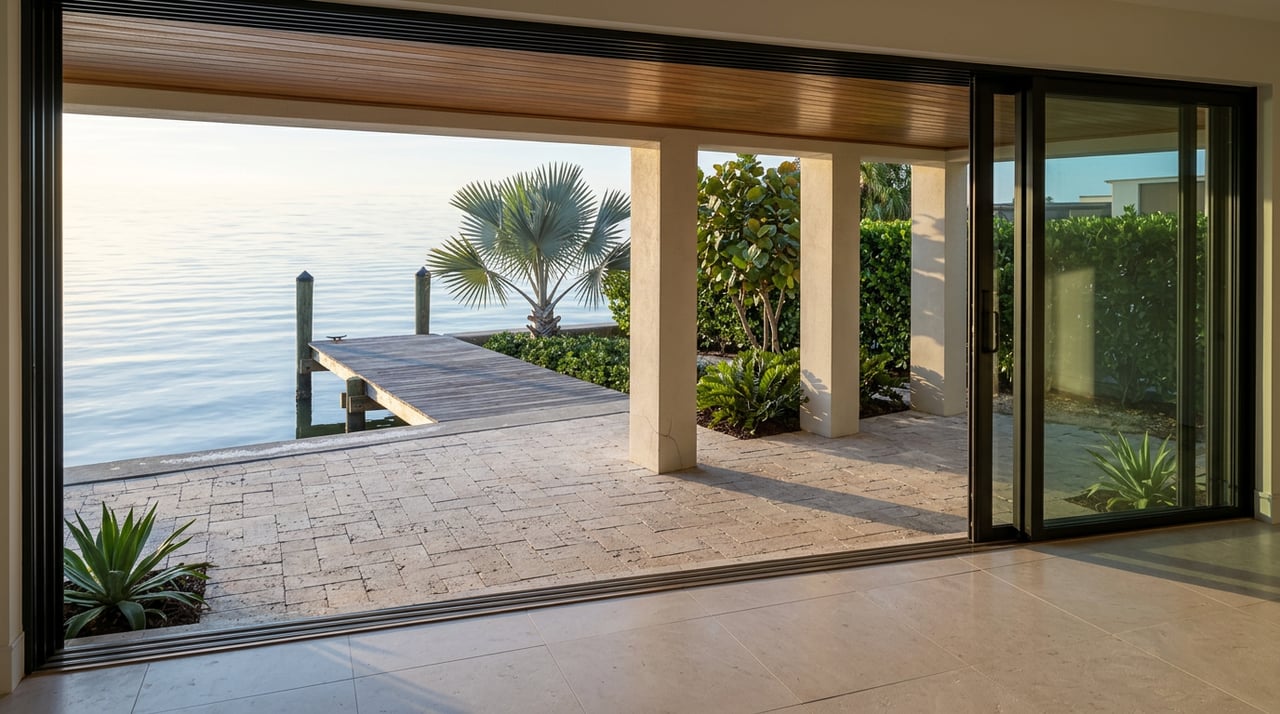
- Condos and coastal second homes. These feel seasonality the most. Many owners occupy their units in winter or keep them for seasonal rental income, so fewer condos are listed from November through April. Inventory usually rises once snowbirds depart.
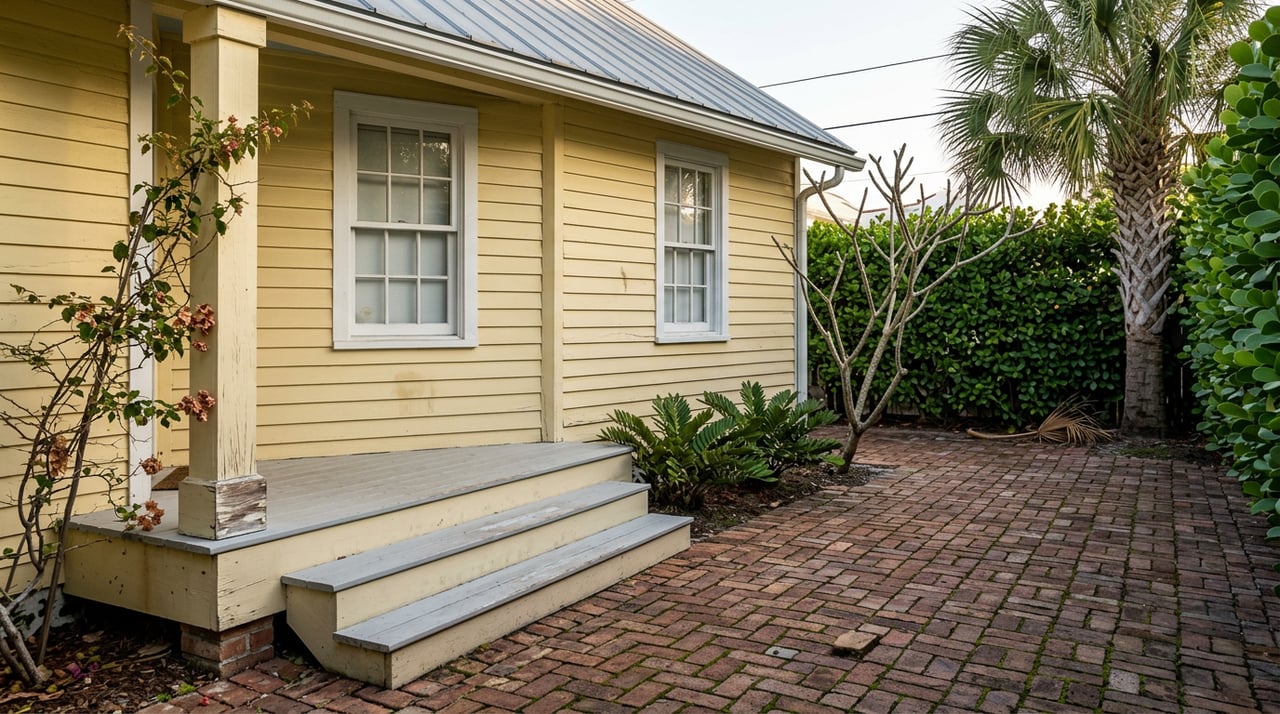
- Year-round single-family homes. The swings are smaller, yet coastal neighborhoods still follow the snowbird demand curve. Well-prepared homes can sell quickly in season.
- Investor properties. Investors often target off-season months to list or negotiate when competition is lighter. You may see more investor activity in summer for both buying and selling.
Lake Worth listing calendar
Understanding the calendar helps you plan showings, pricing, and negotiations.
- Late fall, October to November. Some owners list early to catch the first wave of winter buyers. You may see new listings come on to meet early snowbird demand.
- Peak season, December to March. Expect strong buyer traffic, tight selection for condos, and quick showings. Well-priced homes can attract multiple offers.
- Spring shoulder, March to May. Inventory begins to expand as seasonal residents prepare to leave. Buyers gain more choices, yet sought-after homes can still draw strong interest.
- Summer, June to September. Inventory is typically higher, buyer traffic slows, and negotiation room grows. You may see longer days on market and more price reductions.
Local nuances in and around Lake Worth
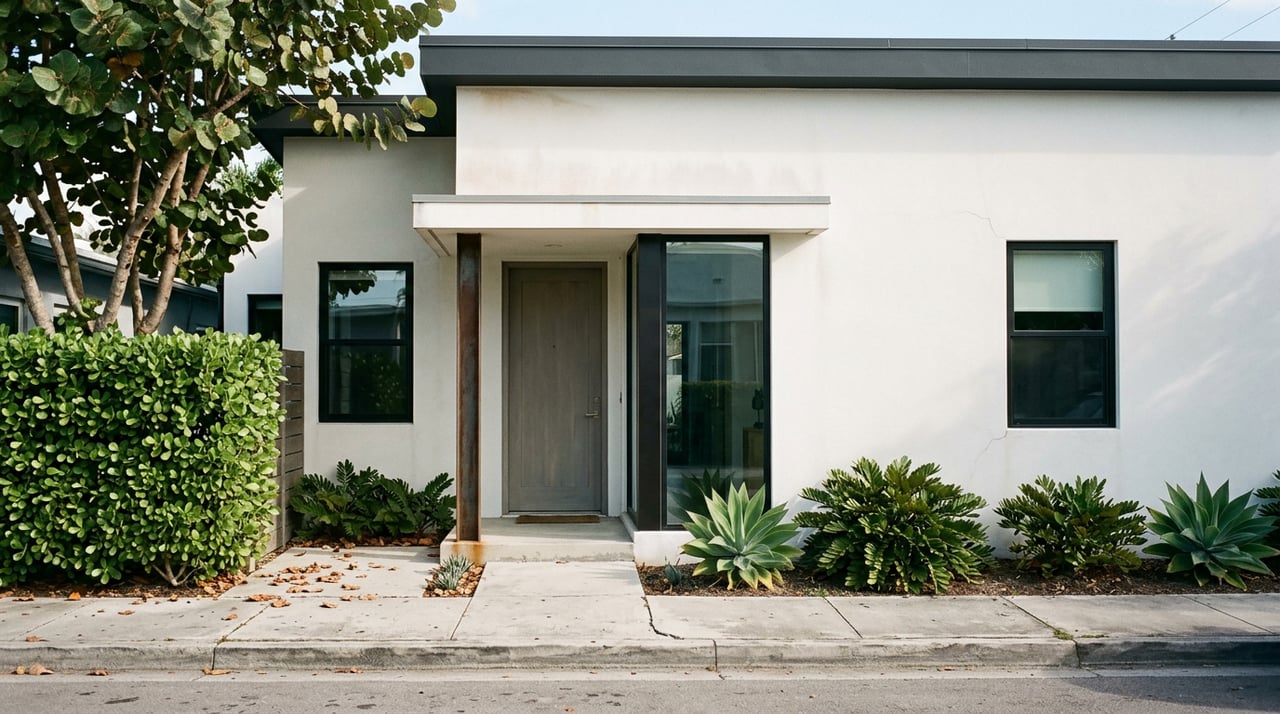
Lake Worth Beach has a mix of older single-family homes, small condo buildings, and many short-term rental units near the water. This blend can make seasonal swings more pronounced for smaller condo buildings and tourist-friendly pockets. Nearby towns like Lantana, Boynton Beach, Delray Beach, West Palm Beach, and the barrier-island communities have their own price tiers and visitor patterns. In general, higher-end coastal areas feel winter demand even more.
If you are buying or selling in a condo or HOA, always verify association rules, fees, and any short-term rental policies. City ordinances can also affect whether a property is used for seasonal rental income or listed for sale at certain times of year.
Buyer strategy by season
Your strategy should match the timing.
Winter, November to April
- Selection. Expect fewer condo and seasonal-use options. Single-family homes still move quickly if priced right.
- Competition. Higher. Showings are brisk and attractive listings can receive multiple offers.
- Negotiation. Sellers often hold firm on price. Come pre-approved, tighten timelines where you can, and consider creative terms such as flexible closing dates.
Spring shoulder, March to May
- Selection. Choices improve as seasonal residents leave and more sellers list.
- Negotiation. Conditions are more balanced. Top properties still move, but you usually gain some flexibility on price or terms.
Summer, June to September
- Selection. Often the best depth of choice, especially for condos and investment properties.
- Negotiation. More buyer leverage. Price reductions, seller credits, and favorable timelines are more common.
Seller strategy by season
The right timing depends on your goals and your property type.
Listing in season, November to March
- Advantage. Higher buyer traffic can mean faster sales and stronger pricing when you are priced and presented well.
- Execution. Staging, photography, and pricing strategy matter. You may face competing listings timed to the season, so presentation is key.
Listing in spring or summer
- Advantage. You can attract off-season buyers and investors who prefer more negotiating room and less competition.
- Execution. Be prepared for longer days on market and more price sensitivity. Incentives and strong marketing can help.
Short-term rentals and rules
If a property is used for short-term rentals, many owners choose to finish the high-season bookings, then list in late spring or summer to avoid interrupting income. Buyers who want rental income should factor in occupancy seasonality, rental history, and all HOA or city rules before making an offer.
Sellers should gather rental records and understand disclosure requirements. Buyers and sellers should review HOA bylaws and any city guidelines for short-term rentals to avoid surprises during escrow.
Logistics and taxes to time well
Seasonality affects more than showings and offers. Service providers book up fast in winter. Plan ahead for:
- Movers, inspectors, appraisers, and contractors. These professionals are busier in season, so book early if you plan to close in winter.
- Lenders. Higher seasonal volume can slow processing. Pre-approval and prompt document delivery reduce delays.
- Homestead planning. Florida homestead exemption applications typically have a March 1 deadline. If homestead status matters to you, coordinate closing dates and tax prorations with your agent and closing team.
Your 3–6 month game plan
Here is a clear path whether you are buying or selling soon.
If you are buying
- Immediately
- Get a full mortgage pre-approval from a local lender.
- Set up MLS alerts and partner with an agent who knows Lake Worth Beach and nearby coastal towns.
- Review HOA and city rules for your target neighborhoods, especially if you want rental flexibility.
- Clarify must-haves vs. nice-to-haves like parking, elevator access, and flood insurance needs.
- In 2 to 6 weeks
- Tour homes that match your criteria. Expect faster showings in winter, more inventory in late spring and summer.
- For condos or rental-friendly properties, request HOA documents and rental history early.
- When you write an offer
- In season. Lead with strong financing, consider shorter inspection windows without skipping inspections, and be ready for escalation or appraisal gap conversations.
- Off-season. Use contingencies and timeline flexibility to pursue price reductions or seller credits.
- Before closing
- Book movers and service providers early, verify insurance coverage, and plan for homestead timing if you intend to apply.
If you are selling
- Immediately
- Interview local agents experienced with your property type.
- Complete a pre-list checklist: declutter, minor repairs, fresh paint, landscaping, and a plan for professional photography and staging.
- Consider a pre-listing inspection to reduce surprises and speed negotiations.
- Gather HOA documents and any rental history you plan to disclose.
- In 2 to 6 weeks before listing
- Finalize pricing and timing. To reach snowbird buyers, list just before or early in season. If you prefer a different buyer mix, late spring or summer can work.
- If you rely on seasonal rental income, decide whether to list after high-season bookings or allow showings between guests.
- At listing
- Be ready for quick showings in season and make the home easy to tour. Offer a strong virtual tour for out-of-town buyers.
- Evaluate offers on price, contingencies, closing timeline, and financing strength. Season offers may be higher with tighter terms, off-season offers may involve more contingencies and negotiation room.
How to use this knowledge right now
If you want maximum buyer traffic and the potential for stronger pricing, aim to list just before or during the winter season. If you want deeper selection and more negotiating leverage as a buyer, late spring through summer is often your best window. Either way, sharp presentation, clear terms, and a proactive plan will help you win.
Ready to map your timing to the market and your lifestyle goals in Lake Worth Beach? Connect with Amy Awerbuch for local guidance, staging-forward strategies, and a step-by-step plan that fits your timeline. Get Your Free Home Valuation.
FAQs
When is the best time to buy in Lake Worth Beach?
- For the most choices and more negotiating room, late spring through summer. For faster movement on desirable homes despite fewer options, winter works if you are ready to act quickly.
When is the best time to sell in Lake Worth Beach?
- To maximize buyer traffic and potential price, list just before or during the winter season. If you prefer fewer competing listings, late spring or summer can work, though marketing time may be longer.
Do condos in Lake Worth Beach see bigger seasonal swings than houses?
- Yes. Condo inventory often tightens in winter because owners occupy units or keep them for seasonal rentals, which reduces active listings until spring.
How do short-term rentals impact inventory and timing?
- Units used for seasonal rentals are often held through winter to capture peak income, so they may be listed more often in late spring or summer. Always review HOA and city rules.
What local rules and timelines should I verify before I buy or sell?
- Check HOA bylaws, city short-term rental guidelines, flood zone and insurance needs, and Florida’s homestead exemption timeline, which typically has a March 1 application deadline.